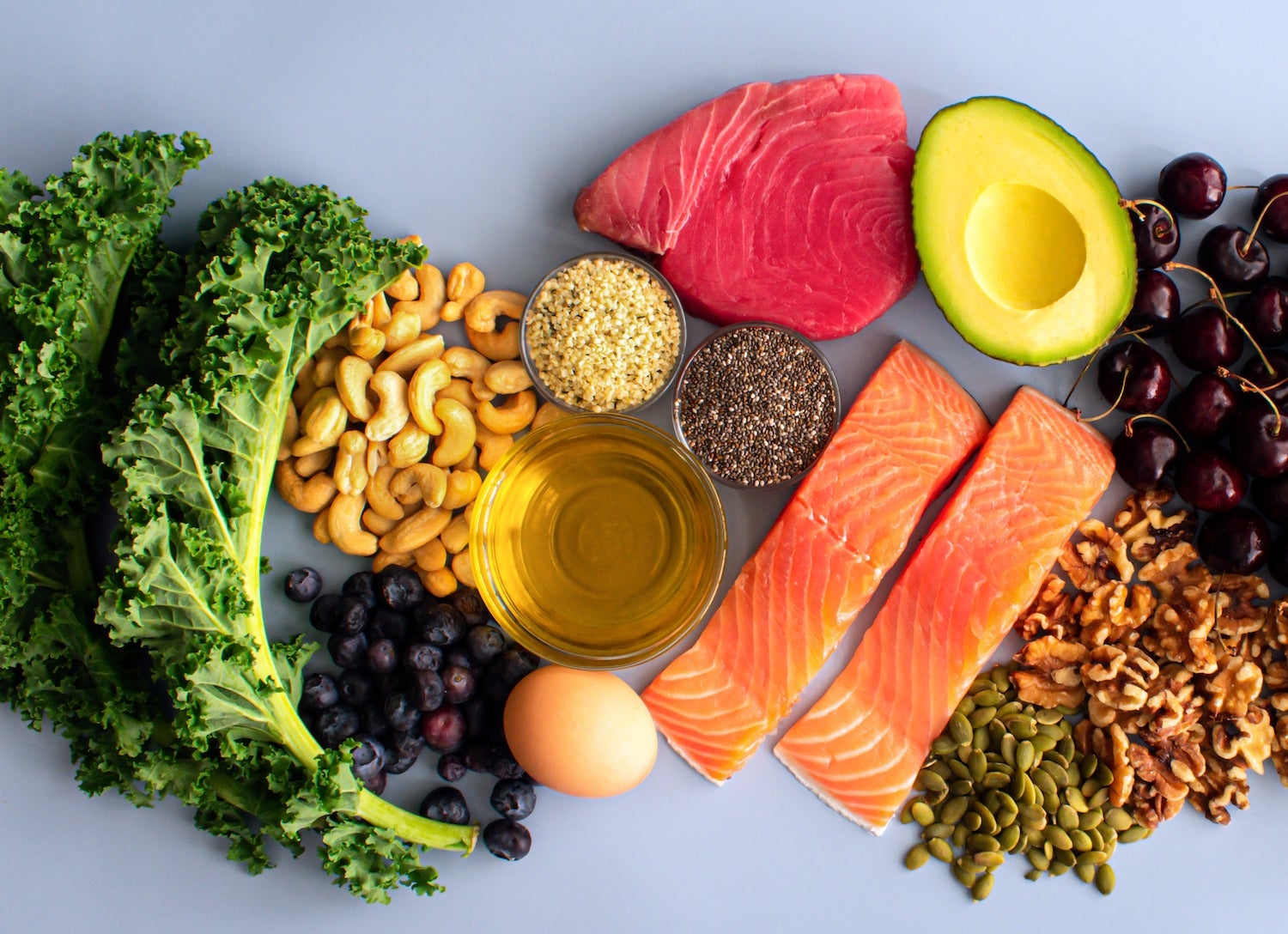
Diets That Actually Work: 5 Sustainable Options for Long-Term Success
When it comes to diets that actually work, sustainability is key. Many people embark on restrictive diets only to find themselves reverting back to old habits. For lasting success, consider these five sustainable options:
- Mindful Eating - Focus on being present during meals and listening to your body's hunger cues.
- Mediterranean Diet - Emphasizing whole foods, healthy fats, and lean protein, this diet is not only healthy but also enjoyable.
- DASH Diet - Originally designed to combat high blood pressure, this heart-healthy diet focuses on vegetables, fruits, and whole grains.
- Diabetes Meal Planning - A tailored approach that balances carbohydrates, proteins, and fats, making it easy to manage blood sugar levels.
- Flexitarian Diet - This semi-vegetarian diet allows for flexibility and encourages incorporating more plant-based foods without completely eliminating meat.
Choosing diets that actually work means opting for lifestyle changes you can maintain long-term. Research has shown that diets focusing on whole, nutrient-dense foods tend to be more effective because they promote overall health rather than temporary weight loss. For instance, the Mediterranean Diet has been associated with numerous health benefits, including reduced risk of chronic diseases. Additionally, mindful eating can help you build a healthier relationship with food, making it easier to adhere to your diet without feeling deprived. Remember, the best diet is one that fits seamlessly into your lifestyle, promotes wellness, and can be maintained for years to come.
Understanding Moderation: How to Enjoy Your Favorite Foods While Dieting
Understanding moderation is key when it comes to enjoying your favorite foods while dieting. Many people associate dieting with deprivation and strict rules, but it doesn't have to be that way. In fact, allowing yourself to indulge in your preferred treats can enhance your overall wellness and sustainability of your eating habits. According to Healthline, practicing moderation means finding a balance between healthy eating and enjoying your indulgences without guilt. By treating your favorite foods as occasional pleasures rather than daily staples, you can maintain a healthy relationship with food without sacrificing enjoyment.
To incorporate moderation effectively, consider implementing the following strategies:
- Portion Control: Instead of eating an entire pizza, savor a slice or two and pair it with a refreshing salad.
- Mindful Eating: Focus on the taste and texture of your food, which can increase satisfaction and lessen the urge to overindulge.
- Plan Your Treats: Allocate specific days or occasions for enjoying your favorite snacks, ensuring they feel special.
Is There a Perfect Diet? Debunking Common Myths and Misconceptions
When it comes to the question of Is there a perfect diet?, numerous myths and misconceptions often cloud our judgment. Many people believe that strict diets—often labeled as 'perfect'—are the key to optimal health; however, research shows that a one-size-fits-all approach does not exist. According to Healthline, dietary needs vary significantly based on individual factors such as genetics, lifestyle, and health conditions. Instead of focusing on finding a perfect diet, individuals should aim for a balanced approach that integrates various food groups to meet their nutritional needs.
Another common misconception is that eliminating entire food groups is necessary for successful dieting. This notion can lead to nutritional deficiencies and an unhealthy relationship with food. As noted by the Academy of Nutrition and Dietetics, a more sustainable long-term solution involves moderation and mindfulness rather than strict restrictions. By recognizing that balance and variety are crucial, we can debunk the myth of the perfect diet and focus on enjoying a well-rounded plate that nourishes the body and satisfies the palate.