The Ultimate Guide to Protein: Types, Sources, and Benefits
Protein is an essential macronutrient that plays a critical role in the body's overall health and function. It is made up of amino acids, which are the building blocks necessary for the growth, repair, and maintenance of tissues. There are two main types of proteins: complete proteins, which contain all nine essential amino acids, and incomplete proteins, which lack one or more of these essential amino acids. Complete proteins are typically found in animal products such as meat, fish, eggs, and dairy, while incomplete proteins are primarily from plant sources like beans, lentils, nuts, and grains.
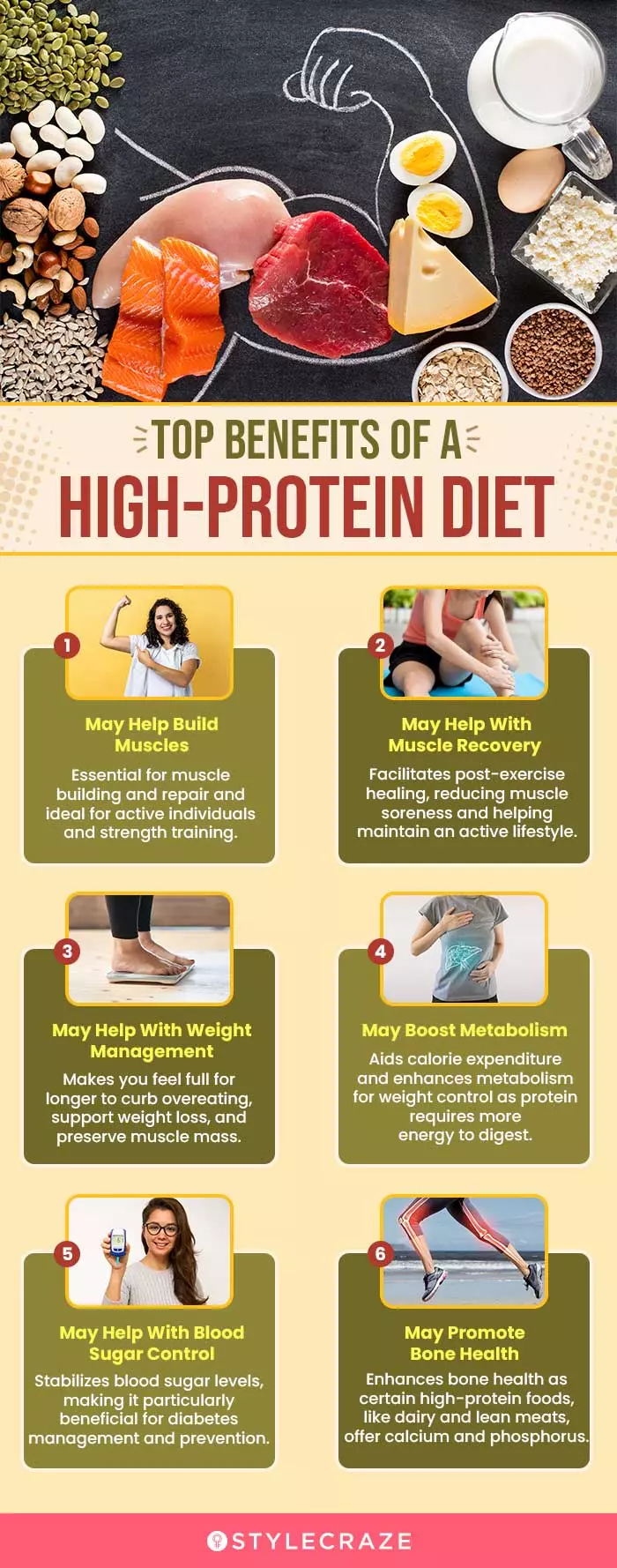
Choosing the right sources of protein is crucial for reaping its numerous benefits. Incorporating a variety of protein-rich foods into your diet can help support muscle growth, enhance recovery post-exercise, and promote satiety, which is particularly beneficial for weight management. Some top sources of protein include:
- Chicken and turkey
- Fish
- Eggs
- Legumes
- Nuts and seeds
10 Delicious High-Protein Recipes for Every Meal
Are you looking for tasty and satisfying meals that also pack a protein punch? Look no further! In this article, we present 10 delicious high-protein recipes that are perfect for any time of the day. From breakfast to dinner, these recipes are not only nutritious but also easy to prepare, ensuring that you can fuel your body with the essential nutrients it needs. Whether you are a fitness enthusiast or just someone who wants to eat healthier, these meals will keep you energized and full.
- Scrambled Eggs with Spinach and Feta: This quick breakfast option combines protein-rich eggs with the nutrient-dense goodness of spinach and the tangy flavor of feta cheese.
- Chickpea Salad: A refreshing salad loaded with protein-packed chickpeas, fresh vegetables, and a zesty dressing!
- Grilled Chicken Quinoa Bowl: A powerhouse bowl featuring grilled chicken, protein-rich quinoa, and colorful veggies.
- Greek Yogurt Parfait: Layer your favorite Greek yogurt with fruits and nuts for a protein-rich snack that delights the taste buds.
- Salmon with Brown Rice: A delicious dinner option that pairs omega-3-rich salmon with hearty brown rice.
- Turkey Lettuce Wraps: Replace traditional wraps with crisp lettuce leaves and fill them with lean turkey and your choice of veggies.
- Protein Pancakes: Start your day with these fluffy pancakes, made with protein powder for that extra boost.
- Lentil Soup: A hearty soup filled with protein-heavy lentils, perfect for warming up on a chilly day.
- Beef Stir-Fry: Load up on protein with lean beef stir-fried with a rainbow of vegetables.
- Baked Tofu with Vegetables: A vegetarian option that features high-protein tofu baked to perfection and served with an array of vegetables.
How Much Protein Do You Really Need for Optimal Strength?
When it comes to optimizing strength, one of the most frequently asked questions is, how much protein do you really need? The answer often varies depending on several factors, including your age, body weight, overall activity level, and specific fitness goals. For most individuals engaged in regular strength training, a common recommendation is to consume approximately 1.6 to 2.2 grams of protein per kilogram of body weight. This range supports muscle repair and growth, allowing for optimal performance and recovery.
Moreover, it's essential to distribute your protein intake throughout the day to maximize muscle protein synthesis. Consider dividing your total protein requirement into multiple meals or snacks, ideally consuming 20 to 30 grams of protein per serving. Additionally, incorporating a variety of protein sources, including animal-based and plant-based options, can enhance your overall nutrient profile and help meet your protein needs for optimal strength.