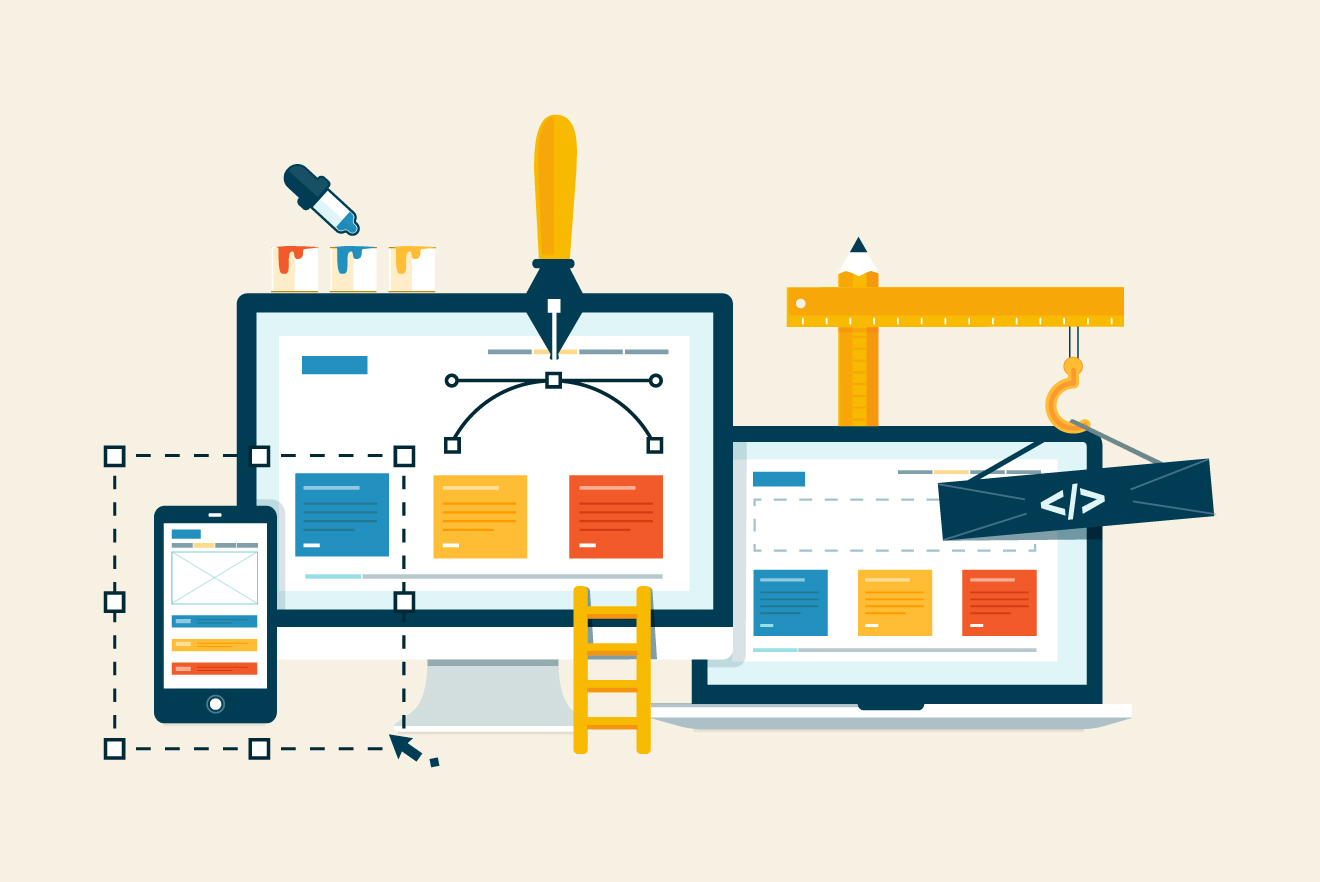
5 Essential Tips to Keep Your Website Fresh and Relevant
Keeping your website fresh and relevant is crucial for maintaining engagement and improving SEO rankings. Here are 5 essential tips to ensure your site stays updated:
- Regularly Update Content: Search engines favor websites that regularly publish new content. Aim to refresh your existing posts by adding new information or insights. This not only keeps your audience engaged but also signals to search engines that your site is active. For more on this, check out Moz's guide on content updates.
- Monitor Analytics: Utilize tools like Google Analytics to track user behavior and identify which pages need improvement. This data will help you make informed decisions about updates. Learn more about this process in Search Engine Journal's Analytics Guide.
- Utilize User Feedback: Encourage your visitors to share their thoughts through surveys or comment sections. Listening to your audience can provide valuable insights into what they want to see, which can guide your content strategy. Check out SurveyMonkey's tips for creating surveys for effective feedback collection.
- Incorporate Seasonal Content: Creating posts around holidays or current events can increase traffic as people search for relevant information. Seasonal content not only keeps your site fresh but also positions you as a topical authority. For ideas on leveraging seasonal trends, visit HubSpot's seasonal marketing ideas.
- Engage on Social Media: Share your updated content on social media platforms. This not only directs traffic back to your website but also keeps your brand in the conversation. For social media strategies, refer to Social Media Examiner's targeting strategies.
Is Your Website a Digital Dinosaur? Signs It's Time for an Update
In today's fast-paced digital landscape, a website that hasn't been updated in years can feel like a digital dinosaur. One of the first signs it's time for an update is a decline in website traffic. If you're noticing a drop in visitor numbers, it might be that your content has become stale or that your website isn't optimized for today's SEO standards. Tools such as Google Analytics can help you monitor your site's performance and identify areas that need improvement. Additionally, if your website isn't mobile-responsive, you're likely losing out on a significant portion of your audience, as mobile traffic continues to grow.
Another critical indicator is how your site looks on current web browsers. If elements of your website appear broken or outdated—think cluttered layouts, slow load times, or outdated graphics—it’s a red flag that an update is overdue. Modern users expect seamless navigation and aesthetic appeal; failing to deliver this could drive prospects away. Check your site speed with Google PageSpeed Insights and consider refreshing your design. Remember, an engaging and up-to-date website fosters user trust and enhances your brand's reputation, so don’t let your site become a relic of the past.
How Outdated Websites Hurt Your Brand and What You Can Do About It
An outdated website can severely impact your brand’s credibility and user experience. In today's digital landscape, first impressions matter, and often, your website is the first point of interaction with potential customers. Research shows that users make judgments about a company's credibility within seconds of visiting a website. If your design is old-fashioned or your content is stale, visitors may question the validity of your brand. According to Nielsen Norman Group, users tend to favor websites that look modern and professional, which can lead to higher conversion rates and customer trust.
To revitalize your brand, start by performing a website audit. Analyze the design elements, content quality, and overall functionality. Ensure your website is mobile-friendly, as a significant portion of web traffic now comes from mobile devices. You can utilize tools like Google's Mobile-Friendly Test to check performance. Additionally, @keeping content fresh is crucial; regularly update your site with new blog posts, user testimonials, and relevant industry news to engage your audience. By taking these steps, you not only improve your website’s aesthetics but also enhance its functionality, ultimately strengthening your brand's online presence.