Understanding APIs: The Key to Seamless Integration
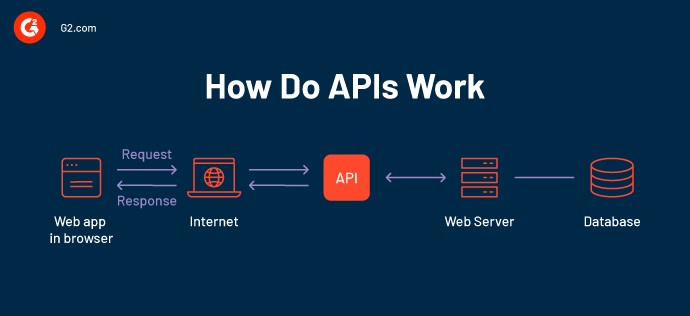
Application Programming Interfaces, commonly known as APIs, serve as a bridge between different software applications, allowing them to communicate and share data seamlessly. Understanding how APIs work is crucial for developers, businesses, and anyone looking to integrate various systems effectively. At their core, APIs define the methods and data formats that applications can use to request and exchange information. This enables developers to build more complex functionality without having to create everything from scratch, significantly speeding up the development process.
Moreover, APIs promote innovation by allowing developers to access the functionalities of other applications, creating a wealth of opportunities for collaboration and enhancement. For instance, using a payment processing API can enable e-commerce platforms to integrate secure payment options seamlessly. Understanding and leveraging APIs is essential for organizations aiming to improve their operational efficiency and enhance user experience. In a rapidly evolving digital landscape, embracing API integration is no longer optional but a critical strategy for success.
Top 5 Fun and Creative Ways to Use APIs in Your Projects
APIs, or Application Programming Interfaces, are powerful tools that can enhance your projects in a multitude of ways. Here are the Top 5 Fun and Creative Ways to use APIs that can elevate your work:
- Interactive Maps: Integrate APIs like Google Maps or Mapbox to create interactive and customizable maps for your applications. These can be used in travel blogs, real estate platforms, or location-based services.
- Social Media Integration: Utilize social media APIs to allow users to share content directly from your site, or to display feeds from platforms like Twitter or Instagram for a more engaging user experience.
- Weather Data: Bring a touch of creativity by embedding weather APIs into your project. This can provide real-time weather updates for outdoor activity apps or local business websites.
- Gaming Features: Leverage gaming APIs to add interactivity and fun gaming features to your projects. You can create quizzes, leaderboards, or other engaging elements that encourage user participation.
- Data Visualization: Use APIs that aggregate data, such as statistics or financial information, to generate interactive charts and graphs. This not only enhances the aesthetics of your project but also provides valuable insights to your users.
How APIs are Transforming the Way We Interact with Technology
In today's digital landscape, APIs (Application Programming Interfaces) are crucial in reshaping how we interact with technology. They serve as bridges that streamline communication between disparate software systems, allowing them to work together seamlessly. This evolution has not only enhanced user experience but has also paved the way for innovative applications across various sectors such as healthcare, finance, and entertainment. For instance, by leveraging APIs, developers can integrate complex functionalities without reinventing the wheel, making applications more versatile and adaptable to user needs.
Moreover, the rise of APIs has democratized access to technology, enabling smaller companies and individual developers to create solutions that can compete with larger enterprises. With the advent of the API economy, businesses can now plug into an ecosystem of services, gaining access to advanced features and data with minimal overhead. This shift is fostering a culture of collaboration where companies can share resources, innovate faster, and bring valuable products to market. In the end, APIs are not just tools; they are catalysts for creativity and technological transformation.